The Homebuilder Weathervane, November 16, 2026
The last 12 months have been particularly hard on the psyches of major US homebuilders.
The much-higher-for-much-longer interest rate cycle has kept mortgage rates high and potential first-time home buyers on the sidelines. Accordingly, homebuilder sentiment has bounced around near a 14-year low for the last few months.
Almost 50% of homebuilders have reduced prices and almost two-thirds have used sales incentives to move inventory.
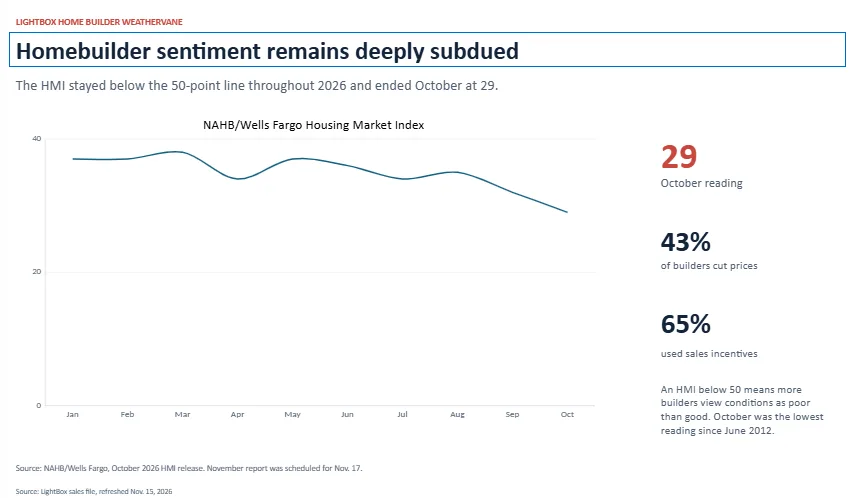
The downbeat sentiment has not kept the major US home builders from keeping their foot on the gas with big ticket acquisitions over the last few months. Several big ticket purchases have been made over the last two months, defying the doom and gloom.
Homebuilders Mirror the Larger CRE Market
The contrast between homebuilder sentiment and activity is not unique to the residential space. The broader commercial real estate market has been on pins and needles in 2026 as higher-than-expected oil prices, inflation readings and interest rates have thrown cold water on the industry.
In early 2026, the MBA was predicting a 27% surge in lending with the belief that inflation and interest rates were poised come down. By October, the MBA has lowered that forecast to just 1%.
However, throughout 2026, CRE activity has defied expectations. The LightBox CRE Activity Index hit several multi-year highs in 2026 even as interest rates rose sharply
LightBox CRE Activity Index (January 2024 - Present)
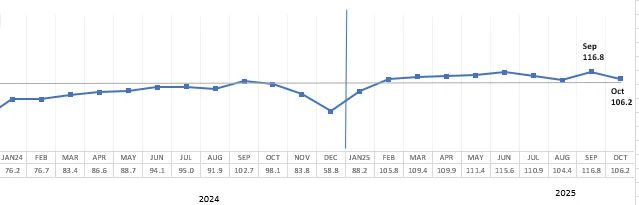
(The LightBox CRE Activity Index is a composite reading of CRE appraisals procured by more than 1,000 US banks; environmental due diligence reports ordered (Phase 1’s primarily) and CRE properties listed for sale. The index covers tens of thousands of transactions each month. It is a leading indicator of activity, compared to bank call report data or Fed Flow of Funds which are trailing indicators).
The remarkably buoyant reading are mirrored by new housing starts in the residential space. As the graph below from the Federal Reserve Bank of St. Louis reveals, the pace of new housing starts has remained elevated in 2026.
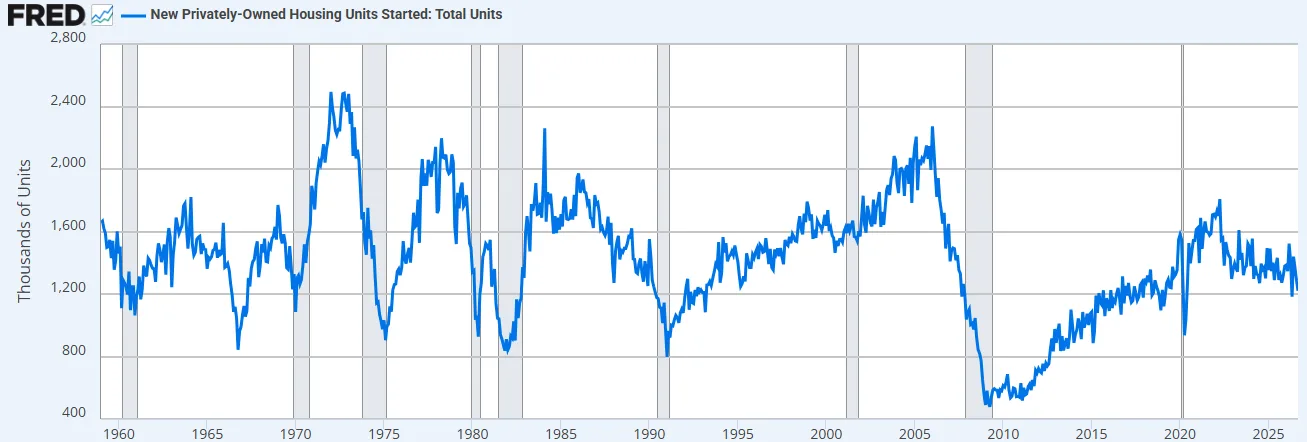
(For neither the new residential homebuilder or the overall CRE market is it 2022. But it is not 2009, either).
Are the Winds Starting to Change?
The big question now is will the newest spike in interest rates which began in September be the straw that breaks the camels’ backs for CRE and residential homebuilders.
Going back the LightBox CRE Activity Index, the appraisal component of the index showed lenders pulling back sharply over the last two months.
From early 2025 until September 2026, lending velocity – as measured by the LightBox Activity Index’ appraisal numbers – remained robust, even in the face of those tariffs, $120 oil, rising inflation and stubbornly high interest rates. Even as interest rates jumped from March through August, that portion of the index climbed.
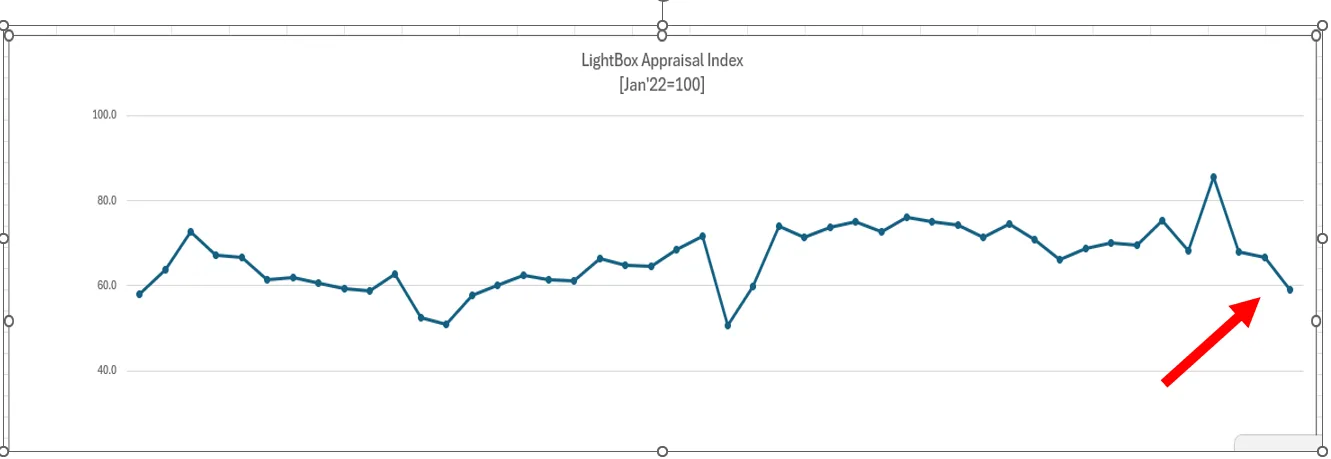
The last two months tell a different story. As the graph below shows, the velocity of appraisals orders over the last 60 days has dropped sharply. The latest reading shows appraisal velocity falling to 15% below the 2026 average. The OctoberAppraisal Index was the lowest print since Jan 25.
Yet Homebuilders Carry On
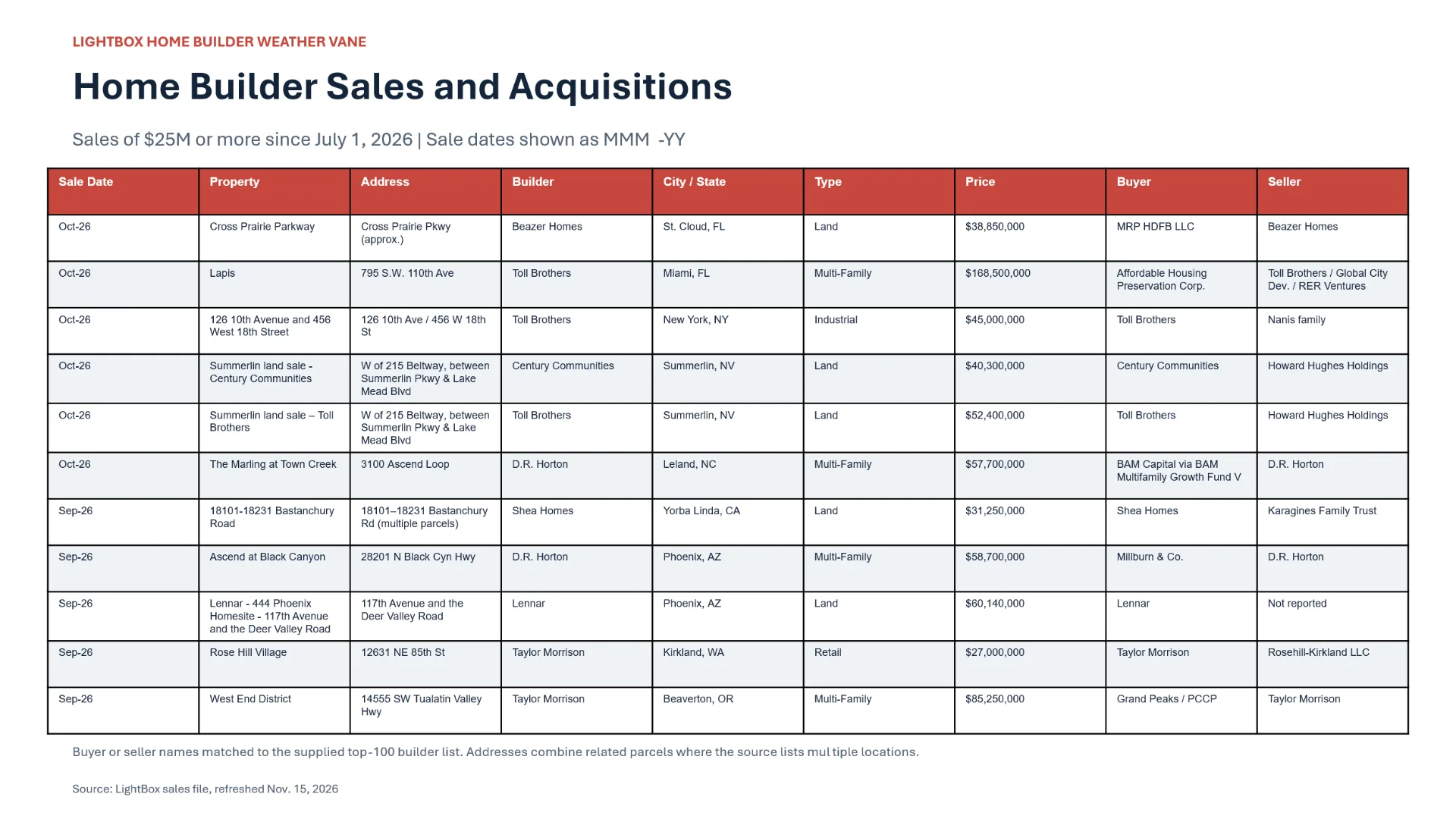
Consider this. In H2 2026, there have already been more than 20 big ticket purchases or sales by some of America’s biggest homebuilders. (Some of these acquisitions are for multifamily assets, which we identify on the table below).
Some of the bigger ticket items include
Century Communities paying $40.3 million last month for 88 lots (22.4 acres) in Summerlin, LV from Howard Hughes Holdings.
Toll Brothers paying $52 million last month for 97 lots (31 acres) also in Summerlin, LV from Howard Hughes Holdings.
Shea Homes paying $31 million for a 15-acre site in late September in Yorba Linda.
Lennar paying $60 million for 444-unit homesite in Phoenix.
Taylor Morrison paying $45 million for 395 acres in St. John’s, FL.
Lennar doling out $110 million for land in Saratoga, CA.
The Bottom Line:
Despite the anemic levels of homebuilder confidence, the market soldiers on – much like the CRE market has in 2026.
While there are concerns over the recent spike in interest rates, the equally recent decline in oil prices has encouraging.
A part exists for homebuilders that sees the War in Iran end; oil prices (and thereby input costs) decline; CPI reverse its recent climb; and interest rates drop.
That scenario is not out of the question and would make for a much-improved landscape for 2027.